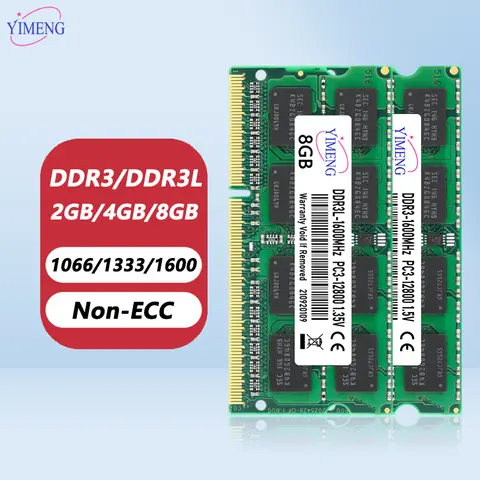
The
1066 DDR3 memory is a widely used type of RAM in older desktop and laptop computers, offering a balance between performance and compatibility. This article provides a comprehensive overview of
1066 DDR3, including its specifications, use cases, and how to choose the best option for your system. Whether you're upgrading an older PC or troubleshooting memory compatibility, this guide will help you make an informed decision. When users search for 1066 DDR3, their intent is typically to find compatible memory for their system or to compare it with other DDR3 variants. This keyword is often associated with users looking to upgrade their RAM or replace faulty modules in systems that support DDR3. The search intent is informational and transactional, as users want to understand the differences between 1066 DDR3 and similar options like
1333 DDR3, 1666 DDR3, or even DDR2 and DDR4. To help users make the right choice, let’s consider a common scenario: a user wants to upgrade their aging desktop PC with
1066 DDR3 16GB memory. They are unsure whether this is the best option or if they should consider
1333 DDR3 or 1666 DDR3 instead. Here’s how to approach this decision:
- Check motherboard compatibility: Ensure your motherboard supports DDR3 and specifically 1066 MHz. Some motherboards may support higher speeds like 1333 DDR3 or 1666 DDR3, but will run them at 1066 MHz if set to default settings.
- Determine current RAM usage: If your system is using 1066 DDR3, adding more of the same type will ensure compatibility and avoid performance bottlenecks.
- Compare performance with alternatives: While 1066 DDR3 is slower than 1333 DDR3 or 1666 DDR3, it is still suitable for most basic to mid-range tasks like web browsing, office work, and light gaming.
- Consider dual-channel setups: For better performance, install dual DDR3 1066 modules in matching pairs to enable dual-channel mode.
Before diving into the technical details, here are some key definitions related to 1066 DDR3:
- DDR3
- Double Data Rate 3, a type of SDRAM used in computers from around 2007 to 2014. It offers higher bandwidth and lower power consumption than DDR2.
- 1066 MHz
- The clock speed of the memory module, indicating how fast it can transfer data. 1066 MHz is equivalent to 8500 MT/s (megatransfers per second), also known as PC8500.
- PC8500
- A memory standard for DDR3 RAM that operates at 1066 MHz. It is often used interchangeably with 1066 DDR3.
- 10600 DDR3
- A higher-speed DDR3 variant that runs at 1333 MHz. It is not compatible with systems that only support 1066 DDR3.
Here’s a comparison of 1066 DDR3 with some of its common alternatives:
| Memory Type | Speed (MHz) | Bandwidth (GB/s) | Typical Use Case |
| 1066 DDR3 | 1066 | 17.06 | Older systems, basic computing |
| 1333 DDR3 | 1333 | 21.33 | Mid-range systems, light gaming |
| 1666 DDR3 | 1666 | 26.66 | High-performance systems, gaming |
| DDR2 1066 | 1066 | 8.53 | Very old systems, not recommended for modern use |
When choosing between 1066 DDR3, 1333 DDR3, or 1666 DDR3, it’s important to consider your system’s capabilities and your usage needs. For example, if you're using a system with an 1155 socket, it may support up to 1600 DDR3, but will run 1066 DDR3 at its native speed. On the other hand, if you're using an 1151 socket, you may need to consider DDR4 instead, as it is not compatible with DDR3. In conclusion, 1066 DDR3 is a reliable and cost-effective option for users with older systems that support DDR3. While it may not offer the highest performance, it is still a solid choice for everyday computing tasks. If you're looking for alternatives, consider 1333 DDR3, 1666 DDR3, or even
2133 DDR3 for better performance, but always ensure compatibility with your motherboard.