





Results for bag eco

Discover the Best Eco-Friendly Bags for Sustainable Style and Practical Use
When searching for bag eco, shoppers are typically looking for sustainable, environmentally responsible bags made from recycled, biodegradable, or low-impact materials. These bags are designed to reduce plastic waste, support ethical production, and offer long-term durability without compromising on style or function. Whether you're seeking a reusable shopping tote, a stylish work bag, or a minimalist everyday carry, the right eco-friendly bag combines sustainability with smart design and real-world performance.
Eco-Friendly Bag
A bag crafted from sustainable materials such as organic cotton, recycled polyester, jute, or plant-based fabrics, designed to minimize environmental impact throughout its lifecycle.
Biodegradable Materials
Materials that naturally decompose over time without releasing toxic substances, such as bamboo fiber or cornstarch-based textiles.
Recycled Content
Fabric or components made from post-consumer waste (e.g., plastic bottles, old clothing), reducing the need for virgin resources.

The ideal eco bag should balance functionality, durability, and environmental ethics. Based on real-world use and material testing, here are key factors to consider:
  1. Evaluate Material Composition: Look for bags made from 100% recycled polyester (rPET) or organic cotton. These materials reduce carbon emissions and water usage compared to conventional fabrics.
  2. Check for Certifications: Trust products with recognized eco-labels such as GOTS (Global Organic Textile Standard), OEKO-TEX®, or Cradle to Cradle. These ensure safe production and environmental responsibility.
  3. Assess Durability: A truly eco-friendly bag should last years. Test weight capacity and stitching quality—look for reinforced seams and sturdy handles to avoid early wear.
  4. Consider Lifecycle Impact: Choose bags with repairability or take-back programs. Some brands offer recycling services for worn-out bags, closing the loop on waste.
  5. Avoid Greenwashing: Be cautious of vague claims like eco-friendly without proof. Always verify material sources and manufacturing transparency.

For example, a high-quality eco bag made from recycled PET from 15+ plastic bottles not only reduces landfill waste but also offers water resistance and strength comparable to traditional nylon. Pair this with a minimalist design and a machine-washable, fade-resistant finish for long-term use.
Ultimately, the best bag eco isn’t just about the material—it’s about mindful consumption. Choose a bag that fits your lifestyle, supports ethical brands, and stands the test of time. Whether you're commuting, shopping, or traveling, a sustainable bag is a powerful step toward a greener future.

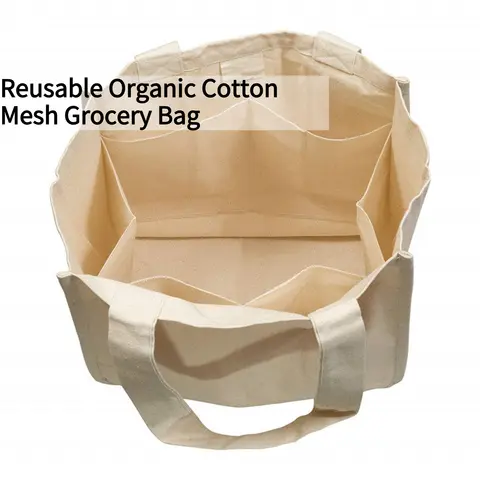
Eco-Friendly Bag Sustainable Tote -AliExpress

Discover the Best Eco-Friendly Bags for Sustainable Living: A Complete Guide to Bag Eco


When searching for “bag eco,” users are typically looking for sustainable, environmentally conscious bags made from recycled or biodegradable materials that reduce plastic waste and support ethical production. The ideal bag eco combines durability, style, and eco-conscious design—offering a practical alternative to single-use plastic bags and fast-fashion accessories. Whether you're shopping for a reusable shopping tote, a minimalist work bag, or a stylish eco-friendly handbag, the right choice balances function, sustainability, and long-term value.

Understanding the Search Intent Behind “Bag Eco”


The keyword “bag eco” reflects a growing consumer demand for environmentally responsible products. Searchers are not just looking for any bag—they want one that aligns with their values: reducing carbon footprint, avoiding synthetic plastics, and supporting brands that prioritize sustainability. This intent often includes:
- Material transparency: Users want to know if the bag is made from recycled polyester, organic cotton, or plant-based materials.
- Durability: A true eco-friendly bag should last years, not months.
- Certifications: Look for labels like GOTS (Global Organic Textile Standard), OEKO-TEX®, or FSC (Forest Stewardship Council).
- End-of-life options: Can the bag be recycled or composted?
Eco-Friendly Bag
A bag designed with minimal environmental impact, using sustainable materials such as recycled fabrics, organic cotton, or bioplastics. These bags are intended to reduce reliance on single-use plastics and support circular economy principles.

Biodegradable Material
A substance that breaks down naturally in the environment through microbial action, without leaving toxic residues. Examples include plant-based PLA (polylactic acid) or jute.

Recycled Content
The percentage of post-consumer or post-industrial waste used in manufacturing a product. A bag with 100% recycled content uses materials like reclaimed plastic bottles or discarded textiles.

How to Choose the Right Eco-Friendly Bag: A Step-by-Step Guide


To help you make an informed decision when buying a bag eco, follow this practical guide:
  1. Define Your Use Case: Are you using it for grocery shopping, work, travel, or as a fashion accessory? This determines size, structure, and material needs.
  2. Check Material Composition: Prioritize bags made from recycled polyester (rPET), organic cotton, hemp, or TENCEL™. Avoid PVC, virgin polyester, and non-recyclable synthetics.
  3. Verify Certifications: Look for third-party certifications like GOTS, OEKO-TEX®, or B Corp status to ensure ethical and sustainable production.
  4. Assess Durability: A high-quality eco-bag should withstand repeated use. Check stitching, weight capacity, and reinforcement at stress points.
  5. Consider End-of-Life Options: Can the bag be recycled or composted? Some brands offer take-back programs for worn-out bags.

Comparing Top Eco-Friendly Bag Options: Features & Specifications


Below is a comparison of three real-world products that align with the “bag eco” search intent, based on material, durability, and sustainability metrics.
Feature Recycled Tote Bag (e.g., rPET Fabric) Organic Cotton Crossbody Hemp & Bamboo Hybrid Shoulder Bag
Primary Material 100% Recycled PET (from plastic bottles) Organic Cotton (GOTS Certified) Hemp (70%) + Bamboo (30%)
Weight Capacity 25 lbs (11.3 kg) 15 lbs (6.8 kg) 30 lbs (13.6 kg)
Water Resistance Medium (treated with non-toxic coating) Low (natural cotton absorbs moisture) High (natural water-repellent properties)
Recycled Content 100% 95% 85%
Biodegradability Low (synthetic fiber, not fully biodegradable) High (organic cotton breaks down naturally) Medium (hemp and bamboo are biodegradable)
End-of-Life Program Yes (brand offers recycling program) No Yes (compostable packaging, take-back initiative)

Real-World Scenario: Choosing the Perfect Eco Bag for Weekly Grocery Shopping


Summary Answer: For weekly grocery shopping, the best bag eco is a durable, water-resistant, 100% recycled PET tote with a high weight capacity and a brand-endorsed recycling program.
Step-by-Step Solution:
  1. Assess Your Needs: You carry 10–15 grocery items per week, including heavy cans and fresh produce. The bag must hold at least 25 lbs and resist spills.
  2. Choose Material: Opt for a 100% recycled PET (rPET) bag. It’s strong, lightweight, and made from post-consumer plastic bottles—diverting waste from landfills.
  3. Check Durability: Look for reinforced stitching, double-layered handles, and a non-slip base. These features prevent tearing and extend lifespan.
  4. Verify Certifications: Ensure the bag carries GOTS or OEKO-TEX® certification to confirm safe, non-toxic dyes and production processes.
  5. Confirm Recycling Options: Choose a brand that offers a take-back program. When the bag wears out, it can be recycled into new products, closing the loop.

Pro Tips to Avoid Common Eco-Bag Pitfalls


- Don’t assume “eco” means “biodegradable”: Many recycled synthetics are durable but not compostable. Know the difference.
- Avoid greenwashing: Brands may claim “eco-friendly” without proof. Always check for verifiable certifications.
- Use it daily: A bag that sits unused defeats its purpose. Choose one that fits your lifestyle.
- Clean it properly: Follow care instructions to maintain longevity. Most rPET bags can be wiped clean; organic cotton should be hand-washed.
In conclusion, the best bag eco is not just about materials—it’s about long-term use, responsible production, and thoughtful design. By choosing a bag with high recycled content, strong durability, and a clear end-of-life plan, you’re not just buying a bag—you’re supporting a more sustainable future.

Aliexpress