





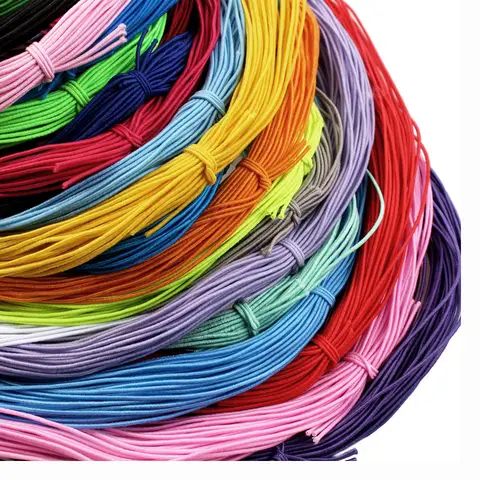








Results for bead string
Bead string is a versatile, essential crafting material used for creating handmade jewelry such as bracelets, necklaces, and decorative accessories. Whether you're a beginner or an experienced DIY enthusiast, selecting the right bead string can significantly impact the durability, appearance, and overall quality of your finished piece. This guide explores top-rated bead string options, their material properties, recommended uses, and expert tips to help you make informed choices.
The search intent behind bead string typically revolves around finding reliable, high-quality stringing materials suitable for various bead types and project styles. Users are often looking for options that balance strength, flexibility, and aesthetic appeal—especially for delicate beads like glass, gemstone, or crystal. Based on product data, the most popular bead strings fall into three categories: synthetic cords (e.g., 1.5mm polyester), natural fiber yarns, and woven cotton ropes.
For projects requiring strength and resistance to fraying, a 1.5mm polyester cord (21.87 yards/20m per roll) is highly recommended. This material is ideal for heavier beads like agate, tiger eye, or stone beads due to its high tensile strength and low stretch. It’s also resistant to moisture and UV exposure—perfect for outdoor or daily wear accessories.
If you're working with lightweight beads or prefer a softer texture, consider hand-knitted yarns (e.g., 50g or 100g per ball). These are excellent for scarves, hats, or decorative bags but are less suitable for high-stress jewelry due to their lower durability.
For a natural, rustic look, handmade cotton rope bracelets (10mm wide) with adjustable toggle clasps offer a stylish, unisex option. These are perfect for prayer beads or spiritual jewelry and are especially effective when paired with natural stone beads like blue agate or red agate.
With the right bead string, your DIY creations will not only look professional but also stand the test of time.
The search intent behind bead string typically revolves around finding reliable, high-quality stringing materials suitable for various bead types and project styles. Users are often looking for options that balance strength, flexibility, and aesthetic appeal—especially for delicate beads like glass, gemstone, or crystal. Based on product data, the most popular bead strings fall into three categories: synthetic cords (e.g., 1.5mm polyester), natural fiber yarns, and woven cotton ropes.
- Bead String
- A thin, durable thread or cord specifically designed to string beads together for jewelry making. It is available in various materials, thicknesses, and colors to suit different crafting needs.
- Stringing Material
- Any substance used to connect beads in a sequence, including nylon, polyester, silk, or cotton. The choice affects the final product’s strength and wearability.
- DIY Jewelry
- Handmade jewelry created using individual components like beads, strings, clasps, and tools. It emphasizes personalization and creativity.
For projects requiring strength and resistance to fraying, a 1.5mm polyester cord (21.87 yards/20m per roll) is highly recommended. This material is ideal for heavier beads like agate, tiger eye, or stone beads due to its high tensile strength and low stretch. It’s also resistant to moisture and UV exposure—perfect for outdoor or daily wear accessories.
If you're working with lightweight beads or prefer a softer texture, consider hand-knitted yarns (e.g., 50g or 100g per ball). These are excellent for scarves, hats, or decorative bags but are less suitable for high-stress jewelry due to their lower durability.
For a natural, rustic look, handmade cotton rope bracelets (10mm wide) with adjustable toggle clasps offer a stylish, unisex option. These are perfect for prayer beads or spiritual jewelry and are especially effective when paired with natural stone beads like blue agate or red agate.
- Choose a bead string thickness that matches your bead hole size—typically 1.0–2.0mm for most beads.
- Always use a bead crimp or knotting technique to prevent beads from slipping off.
- Test the string’s strength by gently tugging it before finalizing your design.
- Store unused cord in a dry, cool place to prevent tangling and degradation.
With the right bead string, your DIY creations will not only look professional but also stand the test of time.